How Much Does It Cost to Build a Fintech Super App
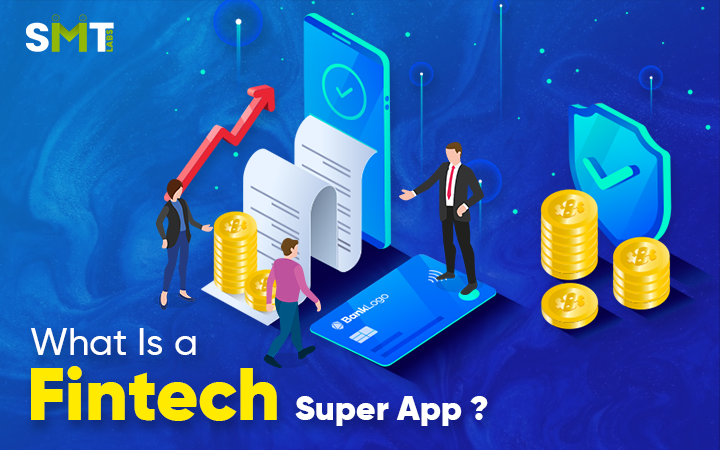
Over the past decade, the financial technology landscape has evolved at a speed that few industries can match. What started as simple mobile payment apps gradually transformed into something much more powerful—fintech super apps. These platforms are not just digital wallets or banking apps. They are comprehensive financial ecosystems designed to serve every possible user need within a single interface. Today, businesses across the globe are exploring the potential of super apps because they offer an unmatched combination of convenience, user engagement, and scalability.
But behind the scenes, developing a fintech super app is far from simple. The cost of building such a platform depends on a wide range of factors—from feature complexity and security demands to compliance requirements, integration needs, and team expertise. Unlike regular apps, every decision in fintech development carries significant implications for data privacy, system reliability, and long-term scalability. As a result, companies planning to build a super app need a carefully structured strategy and the right fintech software development company to guide them.
In this blog, we’ll break down the actual cost of building a robust fintech super app. You’ll learn what factors influence the development investment, how features affect pricing, what range to expect based on complexity, and how to control costs without sacrificing quality. This guide aims to give you a realistic and practical understanding of budgeting for financial software development while ensuring you are fully prepared for the journey ahead.
What Is a Fintech Super App?
A fintech super app is essentially a multifunctional financial platform that allows users to manage almost every aspect of their financial lives in one unified application. Instead of switching between separate apps for transfers, savings, investments, insurance, lending, and budgeting, users can do everything under one digital roof. This integrated experience is what sets super apps apart from traditional fintech solutions.
To understand this better, imagine an app where you can pay your bills, track expenses, apply for loans, invest in stocks, purchase insurance, or even shop using your digital wallet—all without leaving the interface. This kind of ecosystem not only improves convenience but also builds strong customer loyalty. Users become heavily dependent on the platform because it simplifies their daily financial activities.
From a business perspective, the appeal is even greater. Companies gain access to diverse revenue streams, ranging from transaction fees and lending revenue to subscription models and partner commissions. More importantly, the super app model positions a company as a central hub in customers’ digital lives. This alone significantly boosts long-term retention and engagement.
However, with great potential comes great complexity. Building such an ecosystem requires expertise in fintech software development services, regulatory compliance, cybersecurity, AI-based automation, and seamless integration across multiple financial systems. Every module—whether payments, trading, or insurance—demands its own architecture, APIs, security rules, and compliance checks. That is why choosing the right fintech software development company becomes crucial to ensuring long-term success.
Why Businesses Are Investing in Fintech Super App Development
The global trend toward super apps isn’t random. Businesses are investing in them because they provide strategic, long-term value. First, user expectations have changed dramatically. Consumers today prefer convenience and unified experiences over managing multiple apps that handle separate financial tasks. This shift in behavior has opened the door for all-in-one platforms that streamline user interactions.
Second, the financial industry is becoming increasingly competitive. Neobanks, digital lending platforms, payment apps, and investment startups are entering the market at an unprecedented rate. To survive and scale, companies must differentiate themselves. Offering a super app is one of the most effective ways to deliver comprehensive value while staying ahead of competitors.
Third, super apps help businesses reduce the cost of customer acquisition. Once users rely on your platform for multiple services, you don’t need to spend aggressively on marketing every time you introduce a new feature. Cross-service promotion becomes easier and cheaper.
Fourth, super apps provide deeper insights into user behavior. With data analytics and AI integration, companies can predict financial habits, provide personalized recommendations, detect fraud faster, and build tailored financial solutions. This level of customized service dramatically enhances user trust and engagement.
Lastly, super apps open doors for partnerships across industries. A company can collaborate with banks, insurance providers, investment firms, and retailers—expanding its ecosystem without building every service from scratch. This is why so many enterprises rely on financial software development companies to architect scalable, partnership-ready ecosystems that evolve over time.
In short, businesses are investing in fintech super app development because it combines profitability, long-term scalability, and continuous innovation—qualities that every modern financial enterprise needs to stay relevant.
Core Features That Influence Fintech Super App Development Cost
When estimating how much it costs to build a fintech super app, the most important driver is the feature list. Each module introduces new technical requirements, integrations, design complexities, and security considerations. Below are the core features that significantly influence development cost:
Digital Payments & Wallets
Every super app starts with a secure digital payment infrastructure. This includes wallet functionalities, peer-to-peer transfers, bill payments, merchant payments, QR code payments, and more. The cost increases based on encryption methods, fraud prevention layers, real-time transaction tracking, and integration with third-party payment gateways. Since payments are the foundation of all super apps, this module requires extensive backend work and rigorous QA testing.
Banking Services
If your app aims to offer neobanking or digital banking services, you must integrate features like virtual accounts, debit cards, automated KYC, balance management, and micro-lending options. Banking modules require compliance with government and industry regulations, adding complexity and cost. Any fintech app development company will confirm that regulatory integration is one of the most time-consuming phases of development.
Investment & Trading Tools
Investment features such as mutual funds, crypto, equities, real-time charts, and algorithmic trading require advanced backend systems and reliable market data feeds. The more advanced the investment features, the higher the cost due to data licensing, API integration, and platform security.
Insurance Modules
Insurance features such as policy recommendations, comparisons, claim initiation, and automated underwriting require integration with insurers’ systems. These modules also require significant customization depending on the type of insurance offered.
Personal Finance Management (PFM)
PFM tools—expense tracking, credit score monitoring, budgeting goals, and spending analysis—enhance user engagement. Most of these tools rely on AI and machine learning models to deliver personalized insights, increasing the complexity of development.
Each module contributes to the final budget, and together they lay the foundation for your super app’s functionality and user experience.
Advanced Features That Add to Development Cost
While core modules form the backbone of a fintech super app, advanced features are what truly elevate the platform and create a compelling competitive advantage. These add substantial value but also increase development time, complexity, and cost. Understanding how these features influence the budget can help businesses make data-driven decisions while planning their financial software development.
AI-Driven Personalization
AI-based personalization is no longer a luxury; it has become a crucial element in delivering relevant financial experiences. These systems analyze user spending patterns, financial goals, transaction histories, and behaviors to deliver targeted recommendations. This includes everything from investment suggestions and budgeting guidance to fraud alerts and spending insights. Creating this level of personalization requires advanced machine learning models, large datasets, and sophisticated algorithms trained to detect patterns and anomalies.
Implementing AI means onboarding data engineers, ML experts, and cloud specialists. It also requires ensuring data is ingested securely and processed in real time. Any fintech software development company offering AI solutions will emphasize that personalization can drastically improve user engagement and retention—making it worth the investment despite its higher cost.
Fraud Detection and Risk Management Systems
No fintech platform can function without robust fraud monitoring tools. Super apps handle massive transaction volumes daily, which makes them prime targets for fraud attempts. Advanced fraud detection systems leverage real-time analytics, machine learning, and behavioral biometrics to identify suspicious activities instantly.
Developing such systems isn’t just about writing code—it requires creating risk scoring models, training ML systems, integrating with compliance engines, and establishing automated alert workflows. This is one of the costlier additions but also the most essential. Without it, a super app cannot ensure user trust or meet regulatory expectations.
Blockchain & Crypto Integrations
If your fintech super app includes cryptocurrency wallets, blockchain-based transfers, or decentralized finance integrations, the development cost increases significantly. Blockchain networks such as Ethereum, Polygon, or Binance Smart Chain require separate infrastructures, smart contracts, node management, and intensive security audits.
Even if the goal is transparency rather than crypto trading, blockchain technology can add immense trust value by enabling tamper-proof transaction logs. This is why many advanced financial software development companies specialize in hybrid fintech-blockchain solutions.
Biometric Authentication Systems
Security is non-negotiable in financial software development. Biometric technologies—face recognition, fingerprint scans, voice authentication, and behavioral biometrics—add multiple layers of user protection. These systems require specialized libraries, device-level integration, and encryption protocols.
Biometrics significantly enhance trust, reduce fraudulent logins, and create smoother user experiences. However, they increase development time due to testing requirements across various devices and operating systems.
Lending Automation & Credit Decision Engines
Super apps increasingly offer micro-lending, buy-now-pay-later (BNPL), and instant credit options. These systems require automated loan approval flows, KYC integrations, credit scoring algorithms, repayment modules, and risk assessment engines.
This level of automation, especially when combined with predictive credit models, requires considerable expertise and raises development costs.
Advanced features transform a fintech platform from a simple service provider into a powerful financial ecosystem. They drive user loyalty, increase monetization opportunities, and position the super app as a leader in the digital finance market—but they come with increased development investment that must be planned carefully.
Tech Stack Required for Building a Fintech Super App
The tech stack chosen for your fintech ecosystem greatly influences not only development cost but also long-term scalability and maintenance. Financial applications demand high performance, strict security, and seamless integration capabilities.
Below are the standard components of a modern fintech super app tech stack:
Frontend Technologies
- React Native or Flutter for cross-platform mobile development
- React.js or Angular for web dashboards and admin panels
- Responsive design frameworks to ensure consistent user experience across devices
Frontend technologies affect user experience directly. Smooth navigation, fast load times, and clear UI are critical in financial applications where users expect clarity and trustworthiness.
Backend Technologies
- Node.js, Python, Java, or Go for secure API development
- Microservices architecture for scalability
- REST or GraphQL APIs for seamless communication between modules
Backend development forms the engine of your super app. It must handle large transaction volumes, ensure data accuracy, and maintain 24/7 uptime.
Database Management
- PostgreSQL, MongoDB, MySQL, or Oracle Database
- Redis for caching high-frequency queries
- Kafka for real-time event streaming
Fintech databases need ACID compliance, encrypted storage, and disaster recovery systems—adding complexity to the architecture.
AI/ML Tools
- TensorFlow, PyTorch, Scikit-learn
- Cloud-based AI platforms such as AWS SageMaker or Google Vertex AI
These tools support predictive analytics, personalization, fraud detection, and risk modeling.
Blockchain Tools (if applicable)
- Ethereum, Polygon, Binance Chain
- Smart contract development using Solidity or Vyper
- Node infrastructure management
Cloud Platforms
- AWS, Google Cloud, or Azure
- Load balancing, auto-scaling, and IAM security models
A reliable cloud setup enables rapid scaling as the user base grows.
Choosing the right tech stack is one of the most important steps when working with a fintech software development company. It directly impacts security, performance, and the overall development cost of your fintech super app.
Cost Breakdown: How Much Does It Really Cost to Build a Fintech Super App?
Now let’s address the central question: how much does it actually cost to build a fintech super app?
There is no one-size-fits-all answer because every project is unique. However, by analyzing industry benchmarks, complexity levels, and real-world development patterns, we can estimate a realistic cost range.
1. Basic MVP Super App
Includes essential features such as payments, wallet, KYC, and simple PFM tools.
Estimated cost: $150,000 – $250,000
This version is ideal for startups validating their business model before scaling.
2. Mid-Level Fintech Super App
Includes multi-module features such as banking services, lending, analytics, and more advanced PFM tools.
Estimated cost: $300,000 – $600,000
This version requires more integrations, stronger architecture, and compliance frameworks.
3. Enterprise-Grade Full Super App
Includes AI-driven personalization, lending automation, blockchain, investment modules, advanced analytics, and global compliance features.
Estimated cost: $800,000 – $2,000,000+
This is the category where established fintech companies, banks, and global enterprises operate.
Why Costs Vary So Widely
Several factors widen the cost range:
- Number of service modules
- Depth of AI & automation
- Use of blockchain
- Compliance standards
- Level of security
- Required scalability
- Location of the development team
The more features your fintech ecosystem includes, the higher the cost of architecture, testing, and long-term support.
A professional financial software development company will examine your goals, market, and compliance needs before giving you an accurate cost estimate.
Factors That Affect the Cost of Fintech Software Development
Several factors significantly influence your overall development budget. Understanding them helps in better planning and resource management.
Feature Complexity
More features mean more screens, workflows, integrations, and testing cycles.
UI/UX Design
Fintech apps require clean, trustworthy, intuitive designs—and such design quality demands expertise.
Compliance & Security
Standards like PCI-DSS, GDPR, and AML add layers of documentation, testing, and code hardening.
Team Location & Expertise
Rates differ drastically between regions, with US/EU being the highest and Asia being more cost-effective.
Integration Requirements
KYC systems, payment gateways, banking APIs, and market data feeds all add to development time.
Scalability & Infrastructure Needs
The more users your super app is expected to serve, the stronger the architecture must be.
When all of these elements come together, they shape the final development cost—and your choice of fintech software development company plays a major role.
Region-Wise Development Cost Comparison
One of the most influential variables in fintech super app development costs is the geographic location of your development team. Rates differ dramatically depending on the region because of variations in labor costs, technical expertise, regulatory knowledge, and operational expenses. Understanding these differences can help you plan a realistic budget and choose the right fintech software development company based on quality and affordability.
North America (USA & Canada)
North America generally holds the highest development cost bracket. Rates for fintech engineers range between $120 and $200+ per hour. These teams offer advanced expertise, strong regulatory experience, and high engineering standards. Companies that require deeply specialized fintech systems often choose North American teams, but this option significantly increases the overall budget.
Western Europe (UK, Germany, France)
Western European teams charge around $90 to $150 per hour. The capabilities and compliance experience are excellent, but cost-conscious startups often prefer more affordable regions. However, for companies targeting the European market, these teams are ideal because they are well-versed in GDPR, PSD2, and other regional compliance frameworks.
Eastern Europe (Poland, Ukraine, Romania, Estonia)
Eastern Europe has become a global fintech development hub. Rates typically range between $40 and $70 per hour, striking a balance between affordability and high technical expertise. Many fintech software development companies operate here and are known for strong coding standards and faster turnaround times. This region is especially popular for scaling MVPs into full-fledged super apps.
Asia (India, Vietnam, Philippines)
Asia offers some of the most competitive development costs, usually between $25 and $50 per hour. India, in particular, is home to a large number of fintech software development services providers that specialize in super app architecture, AI integrations, and large-scale systems. For companies with budget limitations or long development roadmaps, Asia is often the most cost-effective solution.
Middle East & Africa
Rates vary but typically range from $40 to $90 per hour, depending on experience and regulatory knowledge. Fintech is rapidly growing in this region, but talent pools are smaller compared to Asia or Eastern Europe.
Selecting the right region depends on your budget, complexity, and long-term growth plans. Many businesses choose a hybrid model—leveraging affordable development talent while keeping strategy, compliance, and architecture oversight with more specialized teams.
Hidden Costs You Should Expect
Many business owners focus on feature development while overlooking hidden costs that directly impact the total investment. These are not optional—they are required for the smooth functioning, security, and long-term health of your fintech super app.
Third-Party Licensing Fees
KYC verification services, payment gateways, credit score APIs, and market data feeds all come with licensing costs. Some are billed per user, while others work on subscription models.
Cloud Hosting & Infrastructure Scaling
Fintech platforms generate large amounts of data, requiring scalable cloud solutions. As your user base grows, so do your cloud expenses. Costs include load balancing, storage, bandwidth, failover setups, and server optimization.
Ongoing Maintenance
Super apps constantly evolve. Expect to allocate 15–30% of the initial development cost annually for updates, bug fixes, new features, and performance enhancements.
Security Audits & Penetration Testing
These are critical to ensure your app meets industry security standards. Frequent audits are required to protect user data and maintain regulatory compliance.
Compliance & Regulatory Certifications
Depending on the region, you may need certifications for:
- PCI-DSS
- GDPR
- AML/KYC
- PSD2
- Open Banking
Securing these certifications requires additional development, documentation, and legal effort.
User Support & Operational Costs
Customer service teams, automated chatbots, ticketing systems, and onboarding flows create additional ongoing expenses.
By accounting for these hidden costs early, you avoid unexpected financial setbacks during or after launch.
The Role of a Fintech Software Development Company
Building a fintech super app is far more complex than standard app development. It involves regulatory compliance, financial algorithms, data security, and multi-layered integrations. This is why choosing the right fintech software development company directly influences the project’s success.
A professional development partner provides:
Strategic Product Planning
Before writing a single line of code, they help define your vision, target market, feature set, and technical architecture. This prevents scope creep and budget overruns.
Compliance Expertise
Fintech companies must meet regulatory standards that vary across regions. A knowledgeable development partner ensures your platform meets all requirements from day one.
Robust Architecture Design
Financial systems must handle large-scale transactions, maintain data security, and offer uninterrupted performance. A reputable fintech app development company ensures your backend is built for scalability and resilience.
Integration Management
Whether connecting payment gateways, KYC systems, banking APIs, or investment platforms, integrations require specialized skills and thorough testing.
Security-First Development
Financial software development companies prioritize encryption, secure data flows, identity verification, and fraud detection systems.
Continuous Innovation
A super app is never “complete”—it evolves. The right partner supports ongoing enhancements, AI upgrades, module expansions, and performance optimization.
In essence, your development partner is not just a vendor—they’re a long-term ally in building, scaling, and maintaining your financial ecosystem.
Timeline for Building a Fintech Super App
The timeline for fintech super app development depends heavily on the feature scope, integrations, and compliance requirements. While timelines vary, below is a realistic breakdown:
MVP Super App
Includes payments, wallet, authentication, basic PFM
Timeline: 4–6 months
Mid-Level Super App
Adds banking services, lending, analytics, and dashboards
Timeline: 9–12 months
Full Super App
Includes AI, trading, blockchain, global compliance, and multi-module integrations
Timeline: 12–18+ months
Testing, audits, regulatory approvals, and deployment also add time. Working with a structured, sprint-driven financial software development company ensures predictable progress and smoother releases.
Best Practices for Cost-Optimized Financial Software Development
Cost optimization does not mean cutting corners—it means making smart decisions while maintaining quality and security.
1. Start with an MVP Instead of a Full Platform
Begin with core modules. Validate user interest. Scale afterward.
2. Use Modular Architecture
Makes it easier to add or remove features without rewriting the entire system.
3. Leverage Third-Party APIs Instead of Building Everything
Save cost and speed up development while maintaining reliability.
4. Choose the Right Tech Stack Early
This prevents expensive migrations later.
5. Invest in UI/UX
A simple, intuitive design reduces user friction and increases adoption.
6. Prioritize Security from the Start
Post-launch security fixes are expensive and risky.
7. Partner with an Experienced Fintech Software Development Company
Expert teams avoid mistakes that beginners commonly make.
These best practices help deliver a robust fintech super app without unnecessary financial strain.
Real Examples: What Popular Fintech Super Apps Tell Us About Cost
Looking at leading super apps helps contextualize development budgets:
Paytm
Evolved from a wallet app into a multi-service platform with banking, insurance, and investing.
Investment over the years totals hundreds of millions of dollars.
Revolut
Built an ecosystem offering global payments, investments, insurance, and crypto.
Raised significant rounds to scale their infrastructure and features.
Alipay
This is one of the earliest true super apps, integrating shopping, payments, credit, travel, and more.
Backed by massive long-term investment and technological innovation.
These examples show that successful super apps are built gradually, not overnight, and require consistent investment in technology and user experience.
How to Choose the Right Fintech App Development Company
Choosing the wrong development partner can lead to overruns and flawed architecture. Look for:
- Proven experience in fintech software development
- Deep understanding of compliance and security standards
- Strong portfolio of financial projects
- Transparent pricing and communication
- Ability to scale long-term
- Expertise in AI, automation, and analytics
- Clear delivery methodology
A well-chosen partner becomes an extension of your team, helping you launch a reliable and competitive fintech super app.
Insightful
10 Best Fintech Software Development Companies & What Makes Them Stand Out
Financial App Development Companies vs Freelance Fintech Developers
Fintech Software Development Company - SMT Labs Private Limited
Conclusion
Building a fintech super app is a strategic investment in the future of digital finance. While development costs can range anywhere from $150,000 for a basic MVP to over $2 million for a full-scale platform, the return on investment is significant. Super apps not only centralize financial services but also deepen customer engagement, open new revenue channels, and position businesses as market leaders.
The most important factors that influence cost include feature complexity, compliance requirements, security needs, team expertise, and the technology stack. By planning strategically, prioritizing essential modules, and partnering with an experienced fintech software development company, businesses can optimize costs while still delivering a secure, scalable, and highly impactful financial ecosystem.
Super apps represent the next chapter of fintech innovation—and now is the right time for businesses to harness their full potential.
FAQ
Recent Post




Popular Posts
-
Building the Future of Formalwear Retail with AI & 3D eCommerce
SMT Labs in AI & INNOVATION Sep 22, 2026 -
Why Healthcare App Development Is Transforming Patient Care
SMT Labs in HEALTHCARE Feb 19, 2026 -
How Generative AI Services Improve Customer Experience
SMT Labs in GENERATIVE AI Feb 09, 2026 -
Custom Fintech Software Development: The New Revolution in the Financial Industry
SMT Labs in DEVELOPMENT Apr 24, 2025 -
Fintech Application Development Company: Leading Services in Fintech App Development
SMT Labs in DEVELOPMENT Feb 20, 2025
 INDIA
INDIA  USA
USA  SOUTH AFRICA
  MAURITIUS