End-to-End Fintech Custom Software Development Services
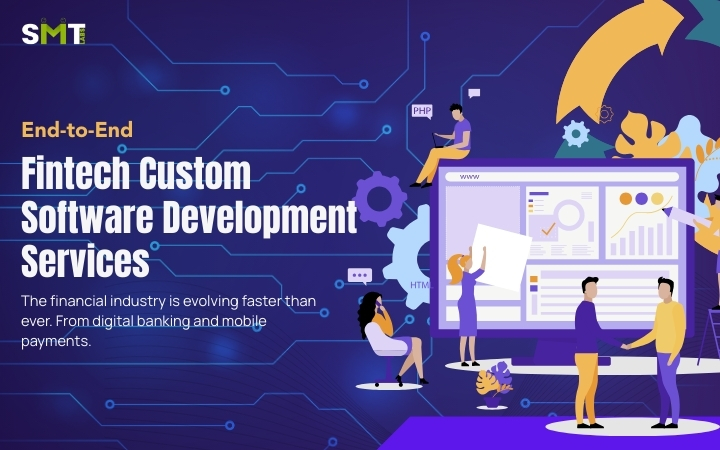
The financial industry is evolving faster than ever. From digital banking and mobile payments to AI-driven lending platforms and blockchain-powered transactions, fintech is reshaping how businesses and consumers manage money. In this competitive landscape, companies need tailored, secure, and scalable digital solutions to stay ahead. This is where end-to-end fintech custom software development services play a crucial role.
Unlike off-the-shelf products, custom fintech software is designed specifically to meet business goals, regulatory requirements, and customer expectations. Whether you are a startup launching a fintech app or an enterprise modernizing legacy banking systems, a comprehensive development approach ensures long-term success.
Let’s explore what end-to-end fintech custom software development truly involves and why it is essential for modern financial businesses.
What is Fintech Custom Software Development?
Fintech custom software development refers to designing, developing, deploying, and maintaining tailored digital solutions for financial institutions, startups, and enterprises. These solutions are built from scratch to match specific operational needs, compliance standards, and market demands.
Unlike ready-made platforms, custom fintech software offers:
- Greater flexibility
- Enhanced security
- Seamless scalability
- Full regulatory compliance
- Better integration capabilities
From digital wallets and payment gateways to loan management systems and investment platforms, custom solutions empower businesses to innovate without limitations.
Why Businesses Need End-to-End Fintech Development Services
Fintech is not just about creating an app. It requires a complete ecosystem that includes security frameworks, compliance measures, seamless integrations, and continuous monitoring. End-to-end services ensure every stage of development is aligned with business goals.
Here’s why businesses prefer comprehensive fintech development services:
1. Regulatory Compliance
Financial platforms must comply with strict regulations such as PCI-DSS, GDPR, AML, and KYC standards. End-to-end services ensure compliance is integrated from day one.
2. Security & Fraud Prevention
Cyber threats are increasing in the financial sector. A structured development process includes encryption, secure authentication, and fraud detection mechanisms.
3. Seamless User Experience
Modern users expect intuitive, fast, and secure platforms. Custom development ensures optimized UI/UX tailored to the target audience.
4. Scalability
As businesses grow, fintech platforms must handle increasing transactions and user loads. Custom-built architecture allows easy scalability.
5. Legacy System Integration
Many financial institutions operate on legacy systems. End-to-end development includes API integration to ensure smooth data flow between old and new systems.
Key Components of End-to-End Fintech Custom Software Development
A structured fintech development lifecycle includes multiple critical stages:
1. Requirement Analysis & Consulting
The foundation of any successful fintech project begins with detailed consultation and requirement gathering. This stage includes:
- Market research
- Competitor analysis
- Regulatory assessment
- Defining target audience
- Selecting the right technology stack
Clear planning reduces risks and ensures faster time-to-market.
2. UI/UX Design for Fintech Platforms
Design plays a crucial role in financial applications. Since users deal with sensitive financial data, trust and clarity are essential.
Key focus areas include:
- User-friendly dashboards
- Simple onboarding processes
- Secure authentication flows
- Mobile-first and responsive design
- Accessibility compliance
A well-designed fintech platform improves engagement and retention.
3. Core Development Services
This is the most technical phase of fintech custom software development. It involves building the core functionalities of the platform.
Common fintech solutions include:
- Digital banking applications
- Payment gateway development
- Peer-to-peer lending platforms
- Loan management systems
- Wealth management platforms
- Insurtech software solutions
- Cryptocurrency exchanges
- Blockchain-based applications
Each solution is designed with scalability, performance, and security in mind.
4. API & Third-Party Integrations
Fintech platforms rely heavily on integrations for enhanced functionality.
These may include:
- Payment APIs (Stripe, PayPal, etc.)
- KYC/AML verification services
- Open banking APIs
- Credit score APIs
- CRM and ERP integrations
Strong API architecture ensures seamless connectivity and improved operational efficiency.
5. Security & Compliance Implementation
Security is the backbone of fintech software development. Financial data breaches can result in severe legal and reputational damage.
Key security measures include:
- End-to-end encryption
- Multi-factor authentication
- Biometric verification
- Secure cloud hosting
- Role-based access control
- Continuous monitoring systems
Compliance frameworks such as PCI-DSS and GDPR are integrated into the development lifecycle.
6. Testing & Quality Assurance
Rigorous testing ensures the fintech solution performs flawlessly under real-world conditions.
Testing includes:
- Functional testing
- Security testing
- Performance testing
- Load testing
- Usability testing
Continuous testing minimizes risks and enhances reliability.
7. Deployment & Maintenance
Once development and testing are complete, the software is deployed on secure cloud infrastructure such as AWS, Azure, or Google Cloud.
Post-launch services include:
- Performance monitoring
- Security updates
- Feature enhancements
- Ongoing technical support
End-to-end services ensure the platform evolves with changing market demands.
Technologies Used in Fintech Custom Software Development
Modern fintech solutions leverage advanced technologies to deliver innovation and efficiency.
Common technologies include:
- Frontend: React, Angular, Vue.js
- Backend: Node.js, Python, Java, .NET
- Databases: PostgreSQL, MongoDB
- Cloud Platforms: AWS, Azure, GCP
- AI & Machine Learning for fraud detection and predictive analytics
- Blockchain for secure transactions
- DevOps for continuous integration and deployment
Choosing the right technology stack ensures performance, scalability, and security.
Benefits of End-to-End Fintech Custom Software Development
Investing in custom fintech software offers numerous advantages:
Enhanced Security
Built-in security measures protect financial transactions and sensitive user data.
Improved Customer Experience
Personalized dashboards, faster transactions, and intuitive interfaces increase user satisfaction.
Regulatory Compliance
Custom solutions are designed to meet industry standards and regional regulations.
Competitive Advantage
Unique features and tailored services help businesses stand out in the crowded fintech market.
Long-Term Scalability
Custom architecture allows easy expansion without rebuilding the system.
Cost of Fintech Custom Software Development
The cost of fintech custom software development varies depending on several factors:
- Project complexity
- Features and functionalities
- Compliance requirements
- Technology stack
- Development team size
- Integration needs
- Maintenance requirements
A basic fintech application may cost significantly less than an enterprise-level banking platform. However, investing in quality development ensures long-term ROI and reduced operational risks.
How to Choose the Right Fintech Custom Software Development Company
Selecting the right development partner is crucial for project success. Consider the following factors:
Industry Experience
Choose a company with proven fintech expertise.
Security Expertise
Ensure they follow secure coding practices and compliance standards.
Portfolio & Case Studies
Review past projects to assess capabilities.
Technology Proficiency
Confirm their expertise in modern fintech technologies.
Post-Launch Support
Long-term support is essential for upgrades and security patches.
A reliable fintech development partner ensures smooth execution from ideation to deployment.
Future Trends in Fintech Software Development
The fintech landscape continues to evolve with emerging technologies:
- AI-powered financial assistants
- Embedded finance solutions
- Open banking expansion
- Decentralized finance (DeFi)
- RegTech automation
- Biometric authentication
Businesses investing in innovative fintech solutions today will lead tomorrow’s digital finance ecosystem.
Conclusion
The fintech industry demands innovation, security, and compliance. Off-the-shelf solutions often fall short when businesses require scalability, flexibility, and regulatory alignment. End-to-end fintech custom software development services provide a comprehensive approach—from consultation and design to deployment and maintenance.
By investing in tailored fintech solutions, businesses can enhance customer experiences, ensure compliance, and gain a competitive edge in the digital financial marketplace.
If you are planning to build a secure, scalable, and future-ready fintech solution, partnering with an experienced fintech development company can turn your vision into reality.
Recent Post



Popular Posts
-
Building the Future of Formalwear Retail with AI & 3D eCommerce
SMT Labs in AI & INNOVATION Sep 22, 2026 -
Why Healthcare App Development Is Transforming Patient Care
SMT Labs in HEALTHCARE Feb 19, 2026 -
How Generative AI Services Improve Customer Experience
SMT Labs in GENERATIVE AI Feb 09, 2026 -
Custom Fintech Software Development: The New Revolution in the Financial Industry
SMT Labs in DEVELOPMENT Apr 24, 2025 -
Fintech Application Development Company: Leading Services in Fintech App Development
SMT Labs in DEVELOPMENT Feb 20, 2025
 INDIA
INDIA  USA
USA  SOUTH AFRICA
  MAURITIUS