How to Outsource App Development to India
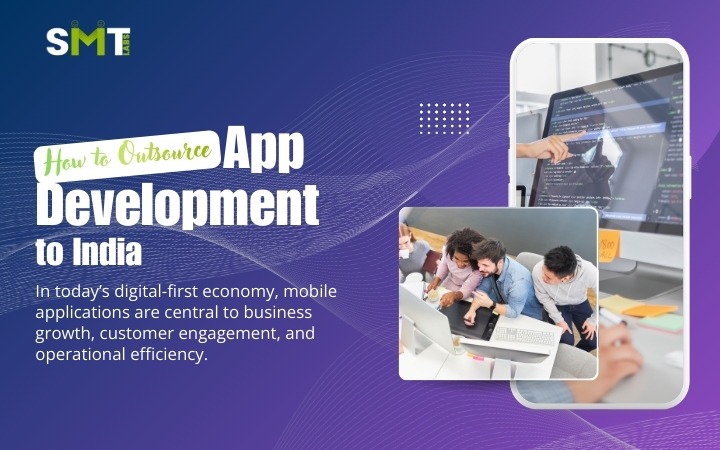
In today’s digital-first economy, mobile applications are central to business growth, customer engagement, and operational efficiency. Whether you're a startup validating a new idea or an enterprise expanding digital capabilities, building a high-quality app is a priority. However, hiring and maintaining an in-house development team can be expensive and time-consuming.
This is why many global companies choose to outsource app development to India.
India has emerged as the world’s leading outsourcing destination due to its large talent pool, competitive pricing, mature IT ecosystem, and proven delivery models. But outsourcing successfully requires strategy, planning, and careful partner selection.
In this comprehensive guide, we will explore why outsourcing to India works, how to do it step by step, costs involved, risks to avoid, and best practices for long-term success.
Why Outsource App Development to India?
Before diving into the process, it’s important to understand why India remains the preferred outsourcing hub in 2026.
1. Significant Cost Savings
One of the biggest reasons companies outsource to India is cost efficiency. Businesses can reduce development costs by 50–70% compared to hiring teams in North America or Europe.
Lower operational expenses, reduced infrastructure costs, and flexible pricing models make India highly attractive—especially for startups and SMEs.
Importantly, lower cost does not mean lower quality. Many Indian firms follow global coding standards and agile methodologies.
2. Vast Talent Pool
India produces millions of engineering graduates every year. The country has one of the largest pools of skilled mobile app developers in the world.
Indian teams are proficient in:
- iOS and Android development
- Flutter and React Native
- Backend technologies (Node.js, Python, Java)
- Cloud platforms (AWS, Azure, Google Cloud)
- AI and machine learning
- Blockchain integration
This diversity ensures businesses can find the right expertise for virtually any project.
3. Strong Communication Skills
English proficiency within India’s IT sector is strong. Most developers and project managers communicate clearly and professionally, minimizing misunderstandings.
4. Time Zone Advantage
India’s time zone allows overlapping working hours with Europe and partial overlap with North America. Many businesses use this advantage to maintain near 24/7 productivity cycles.
5. Mature IT Infrastructure
India has established IT hubs, structured project management frameworks, cybersecurity standards, and international compliance experience. This maturity ensures smoother collaboration.
Step-by-Step Process to Outsource App Development to India
Outsourcing works best when approached methodically. Here’s a structured process to follow.
Step 1: Define Your App Requirements
Clarity is the foundation of outsourcing success.
Start by deciding whether you need:
- A Minimum Viable Product (MVP)
- A fully featured production-ready application
An MVP focuses on core functionality and allows you to test your idea quickly. A full product requires larger investment and planning.
Next, prioritize features:
- Must-have features
- Secondary features
- Future enhancements
Finally, define:
- Target audience
- Platform (iOS, Android, or both)
- Budget range
- Timeline expectations
The clearer your documentation, the smoother your outsourcing journey.
Step 2: Choose the Right Engagement Model
Different projects require different collaboration models.
Fixed Price Model
Best for clearly defined projects with stable requirements.
Time & Material Model
Ideal when requirements may evolve. Offers flexibility.
Dedicated Team Model
You hire a team that works exclusively on your project. Suitable for long-term collaboration.
Offshore Development Center
Functions as an extended branch of your organization. Best for enterprises with continuous development needs.
Choosing the right model depends on project complexity and long-term strategy.
Step 3: Research and Shortlist Companies
Finding the right partner is critical.
Where to look:
- B2B directories like Clutch
- Google search
- Referrals
- Industry communities
Shortlist 3–5 companies and evaluate:
- Years of experience
- Client testimonials
- Case studies
- Industry specialization
- Communication responsiveness
- Pricing transparency
Avoid choosing solely based on the lowest price.
Step 4: Evaluate Technical Capabilities
Once shortlisted, assess technical strength.
Review Portfolio
Examine previous apps. Check design quality, performance, and user experience.
Study Case Studies
Look at business challenges solved and measurable results achieved.
Understand Tech Stack
Ensure the company uses relevant technologies aligned with your project.
Ask About Development Process
Inquire about:
- Agile methodology
- Code review practices
- Testing standards
- CI/CD pipelines
- Security measures
Strong process maturity often indicates reliable delivery.
Step 5: Conduct Interviews and Technical Discussions
Schedule meetings with project managers and developers.
Assess:
- Understanding of your business goals
- Communication clarity
- Problem-solving ability
- Risk management strategy
- Transparency in timelines
Strong cultural alignment and proactive communication are crucial for long-term success.
Step 6: Sign NDA and Contract
Protect your intellectual property before sharing sensitive details.
Ensure the contract includes:
- Scope of work
- Deliverables
- Milestones
- Payment schedule
- Source code ownership
- Confidentiality terms
- Termination clauses
Legal clarity prevents disputes later.
Step 7: Start with an MVP
Even if you plan a large-scale application, starting with an MVP reduces risk.
Benefits:
- Validate market demand
- Collect real user feedback
- Identify improvements
- Optimize budget
Once validated, scale gradually.
Cost of Outsourcing App Development to India
App development costs depend on complexity.
Basic App:
$8,000 – $20,000
Simple features, minimal integrations.
Medium Complexity App:
$20,000 – $50,000
Custom UI, APIs, payment integration.
Complex Enterprise App:
$50,000 – $120,000+
Advanced features, AI, high scalability.
These are general ranges and vary based on features and engagement model.
Common Mistakes to Avoid
- Choosing the cheapest vendor without evaluating quality
- Failing to define scope clearly
- Ignoring time zone communication planning
- Skipping legal agreements
- Not assigning an internal project coordinator
Preparation significantly reduces risks.
How to Manage an Offshore Team Successfully
Outsourcing doesn’t mean losing control. Effective management ensures smooth collaboration.
Use project management tools like:
- Jira
- Trello
- Slack
- Zoom
Establish:
- Weekly review meetings
- Clear milestone tracking
- Defined KPIs
- Transparent reporting
Encourage documentation and written communication to avoid confusion.
Is Outsourcing to India Right for You?
Outsourcing works well for:
Startups seeking cost-efficient MVP development
SMEs undergoing digital transformation
Enterprises scaling large tech initiatives
Agencies needing white-label development support
It may not be ideal if:
- You require daily in-person collaboration
- You lack clearly defined requirements
- You already have a fully capable in-house team
Evaluate your strategic goals before making a decision.
Future of Outsourcing to India
India’s IT industry continues to evolve. In 2026 and beyond, outsourcing is driven not just by cost savings but by innovation.
Indian firms are integrating:
- Artificial intelligence
- Cloud-native architectures
- DevOps automation
- Cybersecurity frameworks
- Blockchain technologies
The outsourcing model is shifting toward strategic partnerships rather than transactional vendor relationships.
Conclusion
Outsourcing app development to India can provide substantial cost savings, access to world-class talent, and accelerated time-to-market. However, success depends on preparation, partner selection, and structured communication.
By defining clear requirements, choosing the right engagement model, evaluating technical expertise carefully, and starting with an MVP, businesses can minimize risk and maximize results.
When executed strategically, outsourcing to India becomes more than a cost-cutting decision—it becomes a long-term growth strategy that enables innovation, scalability, and global competitiveness.
Recent Post




Popular Posts
-
Building the Future of Formalwear Retail with AI & 3D eCommerce
SMT Labs in AI & INNOVATION Sep 22, 2026 -
Why Healthcare App Development Is Transforming Patient Care
SMT Labs in HEALTHCARE Feb 19, 2026 -
How Generative AI Services Improve Customer Experience
SMT Labs in GENERATIVE AI Feb 09, 2026 -
Custom Fintech Software Development: The New Revolution in the Financial Industry
SMT Labs in DEVELOPMENT Apr 24, 2025 -
Fintech Application Development Company: Leading Services in Fintech App Development
SMT Labs in DEVELOPMENT Feb 20, 2025
 INDIA
INDIA  USA
USA  SOUTH AFRICA
  MAURITIUS