Why Healthcare App Development Is Transforming Patient Care
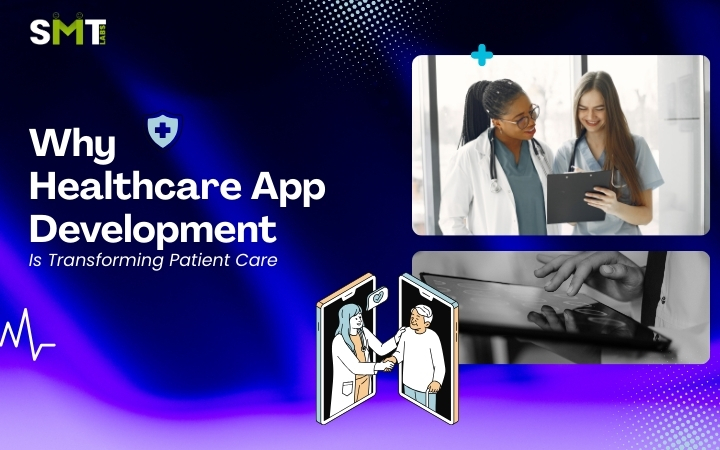
The healthcare industry is undergoing a powerful digital shift. Patients today expect faster access to medical services, transparent communication with healthcare providers, and personalized care experiences. Traditional healthcare systems, which often rely on paperwork, long waiting times, and in-person visits, are no longer sufficient to meet these growing demands. This is where healthcare app development is playing a transformative role.
Healthcare mobile applications are changing how patients receive care, manage their health, and communicate with doctors. From booking appointments and accessing medical records to remote monitoring and virtual consultations, healthcare apps are redefining patient care delivery. In this blog, we explore how healthcare app development is transforming patient care and why it has become essential for modern healthcare systems.
Understanding Healthcare App Development
Healthcare app development refers to the creation of mobile and web applications designed to support medical services, patient management, and healthcare operations. These apps serve different users, including patients, doctors, hospitals, clinics, and healthcare administrators.
Common types of healthcare apps include patient care apps, telemedicine platforms, appointment scheduling apps, fitness and wellness apps, chronic disease management apps, and electronic health record systems. Each of these applications aims to improve efficiency, accessibility, and the overall quality of patient care.
By combining technology with healthcare expertise, these apps bridge the gap between patients and providers, creating a more connected and responsive healthcare ecosystem.
The Shift Toward Patient-Centric Healthcare
One of the most significant ways healthcare app development is transforming patient care is by shifting the focus from provider-centric to patient-centric models. In traditional healthcare settings, patients often had limited control over their medical data and care decisions. Today, mobile apps empower patients by putting information and tools directly in their hands.
Patients can track their health metrics, review medical history, access lab reports, and receive personalized recommendations through healthcare apps. This sense of control encourages patients to take an active role in managing their health, leading to better outcomes and higher satisfaction.
Patient-centric care is no longer a luxury—it is an expectation, and healthcare apps are making it possible.
Improved Access to Healthcare Services
Healthcare apps significantly improve access to medical services, especially for individuals living in remote or underserved areas. Through mobile applications, patients can book appointments, consult doctors virtually, and receive medical advice without the need to travel long distances.
Telemedicine apps allow patients to connect with healthcare professionals via video calls or chat, reducing waiting times and eliminating geographical barriers. This is particularly beneficial for elderly patients, people with mobility challenges, and those managing chronic conditions.
By offering 24/7 access to healthcare services, mobile apps ensure that patients receive timely care when they need it most.
Enhanced Patient Engagement and Communication
Effective communication is a critical component of quality patient care. Healthcare apps improve communication between patients and healthcare providers by enabling real-time messaging, notifications, and reminders.
Patients receive alerts for upcoming appointments, medication schedules, test results, and follow-up visits. These timely reminders help reduce missed appointments and improve adherence to treatment plans.
Additionally, healthcare providers can communicate updates, educational content, and preventive care tips directly through apps. This ongoing engagement builds trust, strengthens relationships, and enhances the overall patient experience.
Remote Monitoring and Real-Time Health Tracking
Healthcare app development has made remote patient monitoring more efficient and accessible. Mobile apps integrated with wearable devices and sensors allow healthcare providers to track patient health data such as heart rate, blood pressure, glucose levels, and physical activity in real time.
This continuous monitoring enables early detection of potential health issues and allows doctors to intervene before conditions worsen. For patients with chronic illnesses, remote monitoring reduces the need for frequent hospital visits while ensuring consistent care.
Real-time health tracking not only improves patient outcomes but also reduces the burden on healthcare facilities.
Better Data Management and Access to Medical Records
Managing patient data is one of the biggest challenges in healthcare. Healthcare apps simplify this process by securely storing and organizing medical records in digital formats. Patients and doctors can access electronic health records anytime, anywhere, improving transparency and efficiency.
Having centralized access to medical history, prescriptions, diagnostic reports, and treatment plans helps healthcare providers make informed decisions quickly. It also minimizes the risk of errors caused by incomplete or misplaced information.
For patients, easy access to medical records means greater clarity and confidence in their healthcare journey.
Cost Efficiency for Patients and Providers
Healthcare app development contributes significantly to cost reduction for both patients and healthcare providers. Virtual consultations, remote monitoring, and automated administrative processes reduce the need for physical infrastructure and in-person visits.
Patients save money on travel, consultation fees, and unnecessary hospital admissions. Healthcare providers benefit from streamlined workflows, reduced paperwork, and optimized resource utilization.
By improving efficiency and reducing operational costs, healthcare apps make quality care more affordable and accessible.
Improved Quality of Care and Clinical Outcomes
The integration of data analytics and digital tools within healthcare apps enables providers to deliver more personalized and accurate care. By analyzing patient data, healthcare professionals can identify trends, predict risks, and tailor treatment plans to individual needs.
Healthcare apps also help reduce medical errors by providing accurate data, reminders, and decision-support tools. Faster access to information and improved coordination among care teams lead to better clinical outcomes and higher patient safety.
Ultimately, technology-driven care results in more effective treatments and improved patient well-being.
Security, Privacy, and Trust in Healthcare Apps
Data security and privacy are critical concerns in healthcare app development. Patients trust healthcare providers with sensitive personal and medical information, making security a top priority.
Modern healthcare apps use advanced encryption, secure authentication, and compliance-driven frameworks to protect patient data. By ensuring data confidentiality and integrity, healthcare apps build trust and confidence among users.
A secure digital environment encourages patients to adopt healthcare apps without fear of data misuse or breaches.
Role of Advanced Technologies in Healthcare App Development
Emerging technologies such as artificial intelligence, machine learning, and cloud computing are further enhancing healthcare app capabilities. AI-powered apps can assist in symptom analysis, predictive diagnostics, and personalized health recommendations.
Chatbots and virtual health assistants provide instant support, answer patient queries, and guide users through healthcare processes. Cloud-based systems ensure scalability, data availability, and seamless integration across platforms.
These advanced technologies are enabling smarter, faster, and more efficient healthcare delivery.
Real-World Use Cases of Healthcare Apps
Healthcare apps are being widely adopted across various medical domains. Telemedicine platforms enable virtual consultations and follow-ups. Chronic disease management apps help patients monitor conditions such as diabetes and heart disease. Mental health apps provide therapy support, mindfulness tools, and emotional well-being resources.
Fitness and wellness apps promote healthy lifestyles through activity tracking and personalized plans. Together, these applications demonstrate how healthcare app development is addressing diverse patient needs.
Challenges in Healthcare App Development
Despite its benefits, healthcare app development comes with challenges. Ensuring data security, maintaining regulatory compliance, and integrating apps with existing healthcare systems require careful planning and expertise.
User adoption can also be a challenge, especially among older populations or individuals with limited digital literacy. Designing intuitive and accessible interfaces is essential for widespread acceptance.
Addressing these challenges is key to building successful healthcare apps that truly transform patient care.
The Future of Healthcare App Development
The future of healthcare app development is promising. As technology continues to evolve, healthcare apps will become more intelligent, personalized, and predictive. Remote care, digital diagnostics, and preventive healthcare will play an even greater role in patient care delivery.
Healthcare providers that invest in scalable and secure mobile solutions will be better equipped to meet patient expectations and improve long-term outcomes.
Conclusion
Healthcare app development is transforming patient care by improving accessibility, engagement, efficiency, and quality of healthcare services. By empowering patients, enhancing communication, and enabling data-driven decisions, mobile apps are redefining how care is delivered and experienced.
As the healthcare industry continues to embrace digital innovation, healthcare apps will remain at the forefront of patient-centric care. Investing in well-designed, secure, and scalable healthcare applications is no longer optional—it is essential for delivering better care in a connected world.
Recent Post

Popular Posts
-
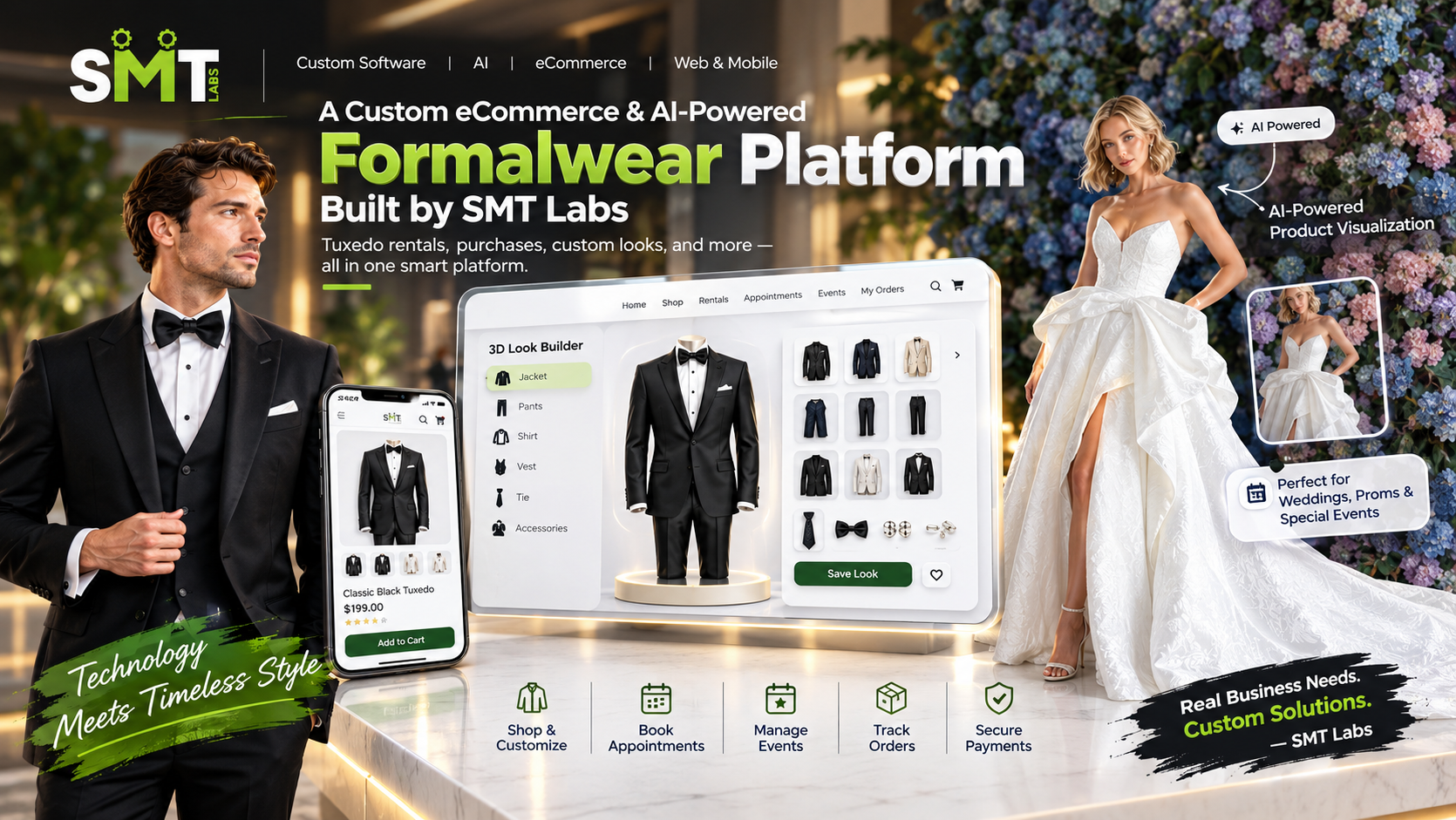
Building the Future of Formalwear Retail with AI & 3D eCommerce
SMT Labs in AI & INNOVATION Sep 22, 2026 -
How Generative AI Services Improve Customer Experience
SMT Labs in GENERATIVE AI Feb 09, 2026 -
Custom Fintech Software Development: The New Revolution in the Financial Industry
SMT Labs in DEVELOPMENT Apr 24, 2025 -
Fintech Application Development Company: Leading Services in Fintech App Development
SMT Labs in DEVELOPMENT Feb 20, 2025 -
Fintech Software Development Company - SMT Labs Private Limited
SMT Labs in DEVELOPMENT Feb 18, 2025
 INDIA
INDIA  USA
USA  SOUTH AFRICA
  MAURITIUS